Anatomic Donations in Canada
For Education and Research
ALBERTA
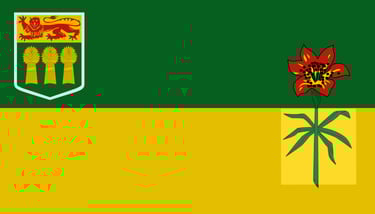
SASKATCHEWAN
University of Alberta, Edmonton
University of Calgary, Calgary
University of Saskatchewan, Saskatoon
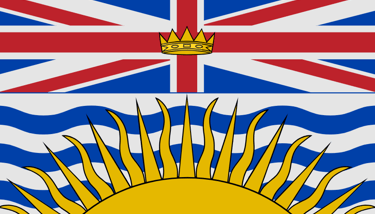
BRITISH COLUMBIA
University of British Columbia, Vancouver
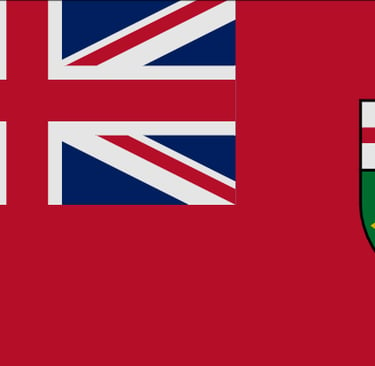
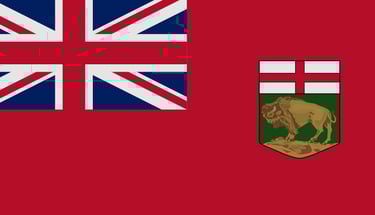
MANITOBA
University of Manitoba, Winnipeg
NEWFOUNDLAND & LABRADOR
PRINCE EDWARD ISLAND
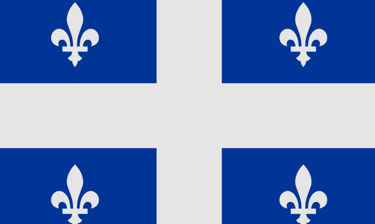
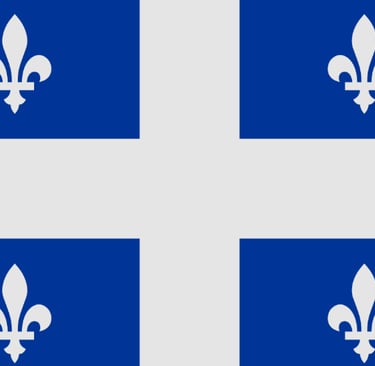
QUEBEC
ONTARIO
McGill University, Montreal
Université du Québec à Trois-Rivières
Université Laval, Québec City
Canadian Memorial Chiropractic College, Toronto
Humber Polytechnic, Toronto
Western University, London
University of Toronto
University of Guelph
McMaster University, Hamilton
University of Ottawa
Queens University, Kingston
Memorial University of Newfoundland
Full body donation is a crucial aspect of health sciences education for future doctors, dentists, rehabilitation therapists, and scientists. Most full body donations are used for teaching purposes with students but some are used specifically for medical and research training.
Many Canadians today are becoming much more open to the option of donating their body to science. This openness about what death means brings with it new values, preferences, and opinions that are changing traditions and creating funeral alternatives. People want alternatives to funeral arrangements and choices concerning the final disposition of their bodies. People who donate their bodies to the medical school can be assured that all human remains are accorded the dignity and respect that our society customarily grants the dead.” Many universities host memorial ceremonies with the university community, donor families, medical staff, students, and professionals to honour the memory of our donors. The costs covered by the institutions vary, however, most programs cover the cremation or burial costs. Some programs will cover transportation costs within a limited area.
Whole body donation to science is currently the fastest growing trend among funeral alternatives. People are seeking alternatives to the traditional burial or cremation options. The option of body donation gives individuals a real way to support medical advances that impact the lives of future generations, and thus a death can be seen as giving value to the advancement of science and providing a ‘gift’ of life.
While it is important to register as an organ donor, it is equally important to talk to your next of kin about your choice to partake in organ donation as they have the final say. The same applies to full body donation; your next of kin can refuse body donation, even if you are properly registered with an academic institution. It is also recommended that you inform your primary care physician of your choice to participate in either organ or full body donation.
Academic institutions reserve the right to decline a donation for any reason, so it is recommended that you have alternative arrangements made in case of refusal.
You can be both a registered organ donor and a whole-body donor, however, if solid organ removal for transplant occurs (with the exception of corneal transplant), body donation is no longer possible.
Academic institutions do not provide autopsies or report findings to the next of kin. Age restrictions vary per academic institution.
Most academic institutions will not accept autopsied bodies. Medical conditions and/or trauma that would disqualify a donation vary per academic institution.
Government of Quebec
University of Waterloo
NOVA SCOTIA
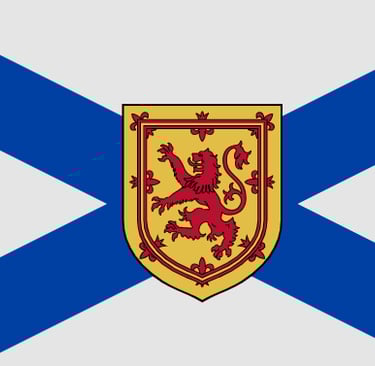
Dalhousie University, Halifax
Accepts donations from New Brunswick and Prince Eduard Island
University of Prince Edward Island
Body Donation Programs
info@myrareuniverse.org
© 2023 All rights reserved My Rare Universe Foundation
P.O.Box 82113
Edmonton RPO Yellowbird, AB T6J 7E6
Edmonton, Alberta CANADA