Impact of DNA sequencing on rare diseases
Our chromosomes contain the blueprint for our body -our genes-. Almost every cell in the human body contains a copy of this blueprint, mostly stored inside a special sac within the cell called the nucleus.
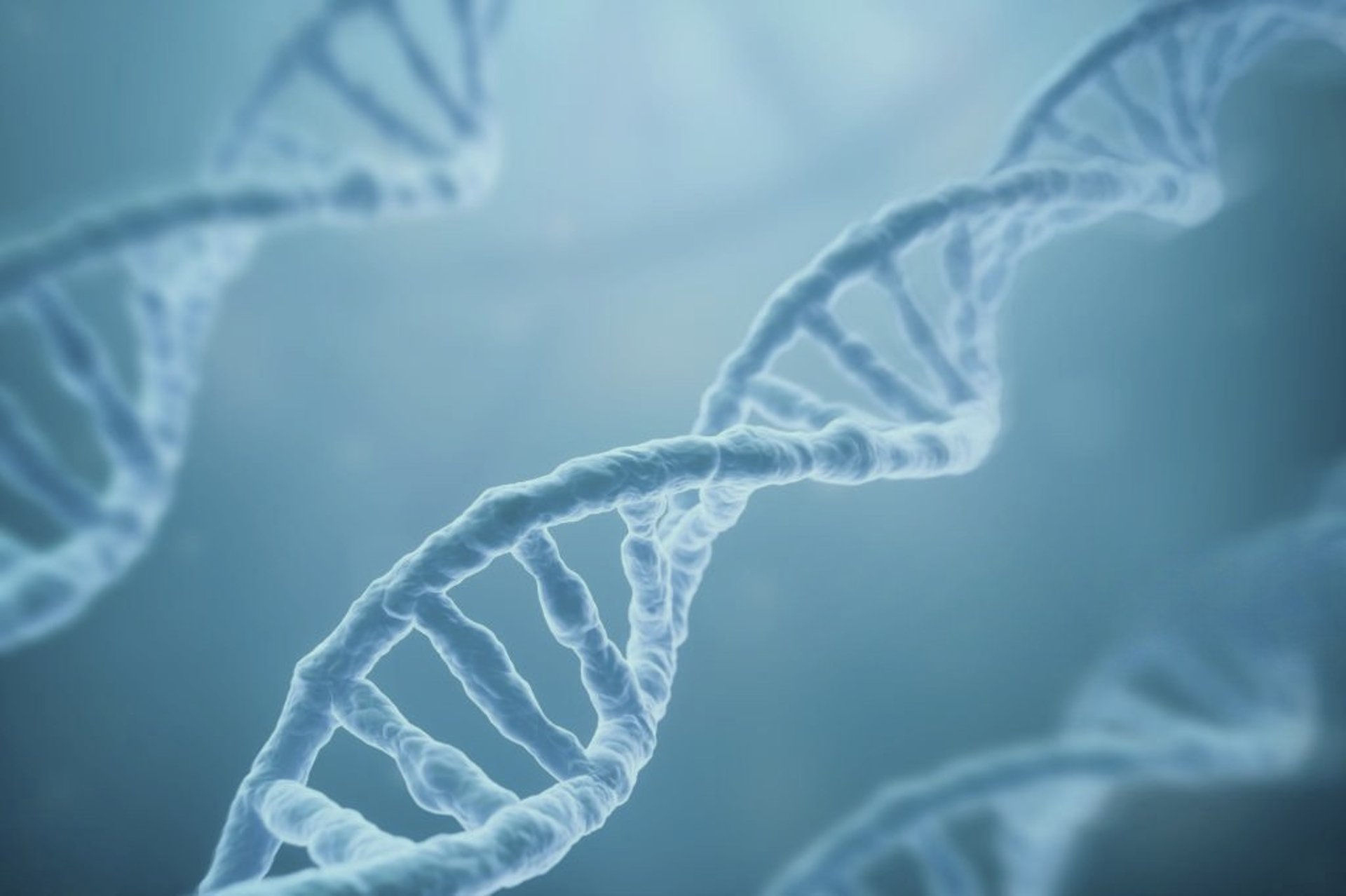
Chromosomes are long strands of a chemical substance called deoxyribonucleic acid (DNA). A DNA strand looks like a twisted ladder.
The genes are like a series of letters strung along each edge. These letters are used like an instruction book. The letter sequence of each gene contains information on building specific molecules (such as proteins or hormones – both essential to the growth and maintenance of the human body). Although every cell has two copies of each gene, each cell needs only certain genes to be switched on in order to perform its particular functions. The unnecessary genes are switched off. Sometimes, a gene contains a change that disrupts the gene’s instructions. A change in a gene can occur spontaneously (no known cause) or it can be inherited. Changes in the coding that makes a gene function can lead to a wide range of conditions.
Humans typically have 46 chromosomes in each cell of their body, made up of 22 paired chromosomes and two sex chromosomes. These chromosomes contain between 20,000 and 25,000 genes. New genes are being identified all the time. The paired chromosomes are numbered from 1 to 22 according to size. (Chromosome number 1 is the biggest.) These non-sex chromosomes are called autosomes. People usually have two copies of each chromosome. One copy is inherited from their mother (via the egg) and the other from their father (via the sperm). A sperm and an egg each contain one set of 23 chromosomes. When the sperm fertilises the egg, two copies of each chromosome are present (and therefore two copies of each gene), and so an embryo forms. The chromosomes that determine the sex of the baby (X and Y chromosomes) are called sex chromosomes. Typically, the mother’s egg contributes an X chromosome, and the father’s sperm provides either an X or a Y chromosome. A person with an XX pairing of sex chromosomes is biologically female, while a person with an XY pairing is biologically male. As well as determining sex, the sex chromosomes carry genes that control other body functions. There are many genes located on the X chromosome, but only a few on the Y chromosome. Genes that are on the X chromosome are said to be X-linked. Genes that are on the Y chromosome are said to be Y-linked.
The three ways in which genetic conditions can arise are: a change in a gene occurs spontaneously in the formation of the egg or sperm, or at conception a changed gene is passed from parent to child that causes health issues at birth or later in life a changed gene is passed from parent to child that causes a ‘genetic susceptibility’ to a condition.
Having a genetic susceptibility to a condition does not mean that you will develop the condition. It means that you are at increased risk of developing it if certain environmental factors, such as diet or exposure to chemicals, trigger its onset. If these triggering conditions do not occur, you may never develop the condition. Avoiding such triggers means significantly reducing the risks.
The human genome is the complete set of DNA instructions, consisting of approximately 3 billion base pairs arranged into 23 pairs of chromosomes, that contains all the genetic information needed for a human to develop and function. It includes 22 autosomes, X and Y sex chromosomes, and mitochondrial DNA, encoding roughly 20,000–25,000 protein-coding genes.
The Human Genome Project was a large international, collaborative effort that mapped and sequenced the human genome for the first time. Conducted from 1990 to 2003, the project was historic in its scope and scale as well as its groundbreaking approach for the free release of genomic data well ahead of publication, leading to a new ethos for data sharing in biomedical research.
The boldest and most audacious research project ever conducted in the history of biomedical research was the Human Genome Project, humankind's first effort to completely decipher the sequences of the human genome as well as the genomes of a small set of heavily studied model organisms, like the mouse and the fruit fly. This project brought together thousands of researchers from around the world and from many different disciplines to pursue a laser-focused set of goals, with its signature accomplishment being the generation of the first sequence of the human genome
Throughout the Human Genome Project, researchers continually improved the methods for DNA sequencing. However, they were limited in their abilities to determine the sequence of some stretches of human DNA (e.g., particularly complex or highly repetitive DNA).
In June 2000, the International Human Genome Sequencing Consortium announced that it had produced a draft human genome sequence that accounted for 90% of the human genome. The draft sequence contained more than 150,000 areas where the DNA sequence was unknown because it could not be determined accurately (known as gaps).
In April 2003, the consortium announced that it had generated an essentially complete human genome sequence, which was significantly improved from the draft sequence. Specifically, it accounted for 92% of the human genome and less than 400 gaps; it was also more accurate. It was certainly the best that could be done at the time, but had major gaps and errors. Later releases improved on it, but many of the problems persisted.
Only in the last few years has technology advanced to the point that it is possible to read the entire human genome, without gaps and with minimal errors. On March 31st, 2022, the Telomere-to-Telomere (T2T) consortium announced that had filled in the remaining gaps and produced the first truly complete human genome sequence.
The Human Genome
How our genes are connected to rare diseases
Approximately 80% of rare diseases are genetic in origin. Of these, approximately 70% manifest during childhood, with approximately 3% manifesting in the neonatal period. Approximately 95% of rare diseases lack an approved treatment protocol. Thus, these patients are administered only symptomatic care. Accurately diagnosing a rare disease can significantly improve disease management, help identify potential treatments, and prevent unnecessary interventions that may cause serious side effects.
The time taken for diagnosing rare diseases varies widely, ranging from months to decades, and it depends on the patient’s phenotype, patient’s age, and available resources. The average time taken to reach a correct diagnosis is reportedly approximately 4-8 years. Approximately 30% of children with rare diseases die before reaching the age of 5. The diagnostic process often involves various challenges, placing significant pressure and psychological stress on the patients and their families. Among these challenges are unequal access to essential healthcare services, the high costs of medical care, and the lack of coverage for these expenses by social security institutions.
In inherited rare diseases, determining the genetic anomaly responsible for the condition and its mode of inheritance provides valuable insight into both the treatment options as well as the risk of passing on the disease to future generations. However, some rare diseases may also arise from de novo mutations that affect only the individual.
Early diagnosis of a rare disease can minimize the need for additional invasive and expensive tests, as well as alleviate the psychological burden on the patients and their families that is caused by living with an undiagnosed condition. Furthermore, identifying the underlying genetic issue may serve as a valuable screening tool, which may enable the detection of symptomatic individuals, carriers, and asymptomatic individuals. This plays a crucial role in the secondary prevention of both benign and malignant diseases.
Until the early 2000s, genetic testing was expensive, difficult to access, and typically limited to the analysis of only a few genes at a time. Over the past two decades, advancements in genetic testing, particularly the development and adoption of next-generation sequencing (NGS) technologies, have significantly improved the affordability, reliability, and efficiency of genetic testing.
Get in Touch
EDMONTON, ALBERTA, CANADA


info@myrareuniverse.org
© 2023 All rights reserved My Rare Universe Foundation
P.O.Box 82113
Edmonton RPO Yellowbird, AB T6J 7E6
Edmonton, Alberta CANADA