
Given the high number of patients that our CEO has met in her journey, our new branch as been created with a very specific mission:
Create the first Canadian registry for syringomyelia patients.
We have started the conversation about creating this registry because it is the most important step to advance on the disease research.
CANADIAN SYRINGOMYELIA NETWORK
Is a neurological disorder in which a fluid-filled cyst (syrinx) forms within the spinal cord. The syrinx can get big enough to damage the spinal cord and compress and injure the nerve fibers that carry information to and from the brain to the body. Some studies have found the prevalence of syringomyelia to be 8.4 cases in 100,000 in the U.S.
In syringomyelia, the watery liquid known as cerebrospinal fluid (CSF)—which surrounds and protects the brain and spinal cord—builds up within the tissue of the spinal cord, expands the central canal, and then forms a syrinx. Generally, a syrinx develops when the normal flow of CSF around the spinal cord or lower brain stem is disturbed. When syrinxes affect the brain stem, the condition is called syringobulbia.
Symptoms of damage to the spinal cord vary among individuals depending on where the syrinx forms, how large it is, and how long it extends. Symptoms develop slowly over time, worsen over many years, and may occur on one or both sides of the body. Symptoms can include:
Pain (potentially chronic)
Progressive weakness in arms and legs
Stiffness in the back, shoulders, neck, arms, or legs
Headaches
Loss of sensitivity to pain or hot and cold, especially in the hands
Numbness or tingling
Loss of balance
Loss of bowel and bladder control
Problems with sexual function
Curvature of the spine (scoliosis); may be the only symptom in children
Syringomyelia may have several possible causes, but most cases are associated with Chiari malformation—an abnormal condition in which brain tissue extends through the hole at the bottom of the skull (foramen magnum) and into the spinal canal, obstructing the flow of CSF. Syringomyelia may also be caused by spinal cord injuries, spinal cord tumors, and damage caused by inflammation in around the spinal cord. In some cases, the cause is unknown (idiopathic).
There are two major forms of syringomyelia:
Congenital syringomyelia (also known as communicating syringomyelia) is most often caused by a Chiari malformation and resulting syrinx, usually in the spine's cervical (neck) region. Symptoms typically begin between ages 25 and 40. People with congenital syringomyelia may also have hydrocephalus, a buildup of excess CSF in the brain along with larger than normal connected cavities called ventricles. Straining or coughing can increase the pressure within your head and brain, causing you to develop a headache or even lose consciousness. Some people may have a disorder called arachnoiditis—an inflammation of the arachnoid, one of the three membranes that surrounds the spinal cord.
Acquired syringomyelia (also known as primary spinal syringomyelia or noncommunicating syringomyelia) can be caused by:
Spinal cord injury
Meningitis (an inflammation of brain and spinal cord membranes usually caused by an infection)
Arachnoiditis
Tethered cord syndrome (a condition present at birth that causes the spinal cord to abnormally attach to the tissues in the lower spine, limiting its movement)
Spinal cord tumor
Studies are underway to better understand the role of genetic factors in Chiari I malformation, the most common cause of syringomyelia. Scientists are studying people with a Chiari I malformation who also have a family member with either the abnormality or syringomyelia to identify the location of the gene(s) responsible for the malformation.
In some cases, birth defects may be associated with brain malformations that can cause syringomyelia. Learning how and when these defects occur during fetal development may help scientists develop strategies that can stop the formation of certain birth defects. Folic acid dietary supplements during pregnancy, for example, can reduce the risk of birth defects of the brain and spinal cord.
WHAT IS SYRINGOMYELIA ?
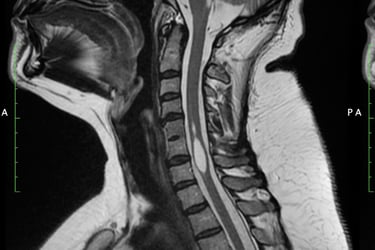
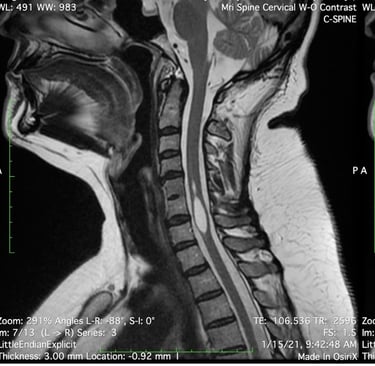
MRI Image of the cyst
follow us
A patient's registry is the collection of medical information or history of an specific group of people, that can serve different purposes.
Since rare diseases are basically lacking of research and studies to find treatment or cure, a registry is a neuralgic piece of puzzle to be able to provide details to researchers and pharma companies in order to implement new trials or develop drugs.
WHAT IS THE IMPORTANCE OF A PATIENT'S REGISTRY ?
Get in Touch
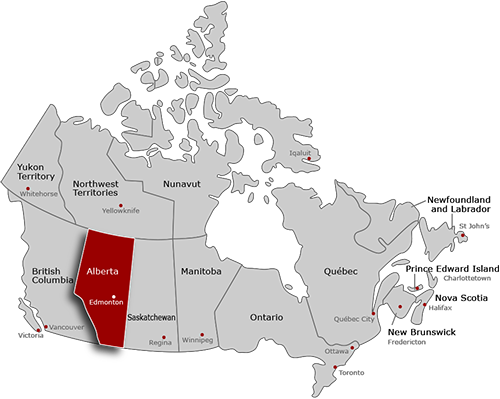
EDMONTON, ALBERTA, CANADA

info@myrareuniverse.org
© 2023 All rights reserved My Rare Universe Foundation
P.O.Box 82113
Edmonton RPO Yellowbird, AB T6J 7E6
Edmonton, Alberta CANADA